






What Is an ERP System? A Complete Guide to ERP Modules and Features
In today’s competitive business environment, organizations need accurate data, streamlined operations, and better decision-making capabilities to stay ahead. This is where Enterprise Resource Planning (ERP) Modules play a crucial role.
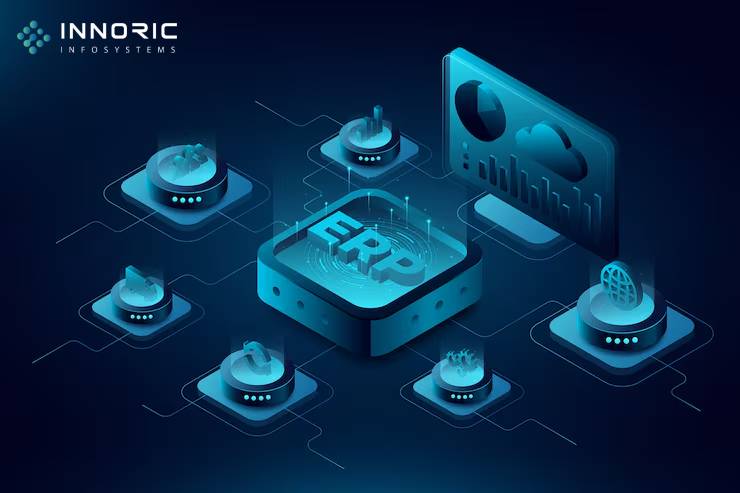
An ERP system integrates multiple business functions into a single platform, allowing organizations to manage finance, inventory, sales, procurement, human resources, manufacturing, customer relationships, and more from one centralized database.
By providing real-time visibility across departments, ERP software helps businesses improve efficiency, reduce costs, automate workflows, and make smarter strategic decisions.
What Is an ERP System?
Enterprise Resource Planning (ERP) systems is a business management software that connects and automates core business processes across an organization.
This centralized approach ensures:
- Real-time access to business information
- Improved data accuracy
- Better collaboration between departments
- Faster decision-making
- Reduced manual work
- Increased productivity
Modern ERP solutions also include Artificial Intelligence (AI) capabilities that help businesses automate repetitive tasks, generate insights, predict trends, and identify exceptions that require attention.
Why Are ERP Systems Important?
Businesses generate large amounts of data every day. Without a centralized ERP system, information often becomes fragmented across spreadsheets, disconnected software, and departmental databases.
ERP systems solve this challenge by creating a single source of truth for the entire organization.
Key Benefits of ERP Systems
- Improved operational efficiency
- Real-time business visibility
- Enhanced financial control
- Better customer service
- Reduced manual errors
- Automated workflows
- Faster reporting and analytics
- Improved compliance and audit readiness
- Scalable business growth
What Are ERP Modules?
ERP systems are structured around individual applications known as modules, each dedicated to a specific business function. These modules communicate through a centralized database, ensuring seamless data flow across the organization.
How ERP Modules Help Businesses
One of ERP’s biggest strengths is its flexibility.
Businesses can start with the modules they currently need and add additional functionality as they grow.
Benefits of modular ERP systems include:
- Lower implementation costs
- Easier scalability
- Faster deployment
- Reduced software complexity
- Customizable business solutions
- Improved return on investment
This modular approach allows businesses to evolve without replacing their entire software infrastructure.
Core ERP Modules and Their Features
1. Finance and Accounting Module
The Finance module serves as the foundation of most ERP systems.
It helps businesses manage:
- General Ledger (GL)
- Accounts Payable (AP)
- Accounts Receivable (AR)
- Budgeting
- Cash Flow Management
- Financial Reporting
- Tax Management
- Revenue Recognition
Benefits
- Real-time financial visibility
- Faster month-end closing
- Improved compliance
- Better financial forecasting
- Reduced accounting errors
AI-powered finance tools can automatically process invoices, detect anomalies, and generate financial insights.
2. Procurement Module
The Procurement module helps organizations purchase goods and services efficiently.
Key Features
- Vendor Management
- Purchase Requisitions
- Purchase Orders
- Supplier Performance Tracking
- Invoice Matching
- Contract Management
Benefits
- Reduced purchasing costs
- Better supplier relationships
- Automated procurement workflows
- Improved spending control
3. Manufacturing Module
Manufacturing ERP modules support production planning and execution.
Key Features
- Production Scheduling
- Bill of Materials (BOM)
- Shop Floor Control
- Work Order Management
- Capacity Planning
- Quality Control
Benefits
- Improved production efficiency
- Reduced downtime
- Better resource utilization
- Accurate production forecasting
Modern ERP systems use AI to forecast demand and optimize production schedules.
4. Inventory Management Module
Inventory management provides complete visibility into stock levels and inventory movement.
Key Features
- Stock Tracking
- SKU Management
- Inventory Forecasting
- Reorder Management
- Batch Tracking
- Barcode Integration
Benefits
- Reduced stockouts
- Lower carrying costs
- Improved inventory turnover
- Better demand planning
5. Order Management Module
The Order Management module tracks customer orders from placement to delivery.
Key Features
- Order Entry
- Order Processing
- Shipping Management
- Returns Management
- Order Tracking
Benefits
- Faster order fulfillment
- Improved customer satisfaction
- Reduced shipping errors
- Enhanced order visibility
6. Warehouse Management Module
Warehouse Management Systems (WMS) optimize storage, picking, packing, and shipping processes.
Key Features
- Inventory Location Tracking
- Pick and Pack Operations
- Barcode Scanning
- Labor Management
- Warehouse Analytics
Benefits
- Improved warehouse productivity
- Faster fulfillment
- Reduced operational costs
- Better inventory accuracy
7. Supply Chain Management Module
Supply Chain Management (SCM) helps businesses manage the movement of products and materials.
Key Features
- Supplier Coordination
- Logistics Management
- Demand Planning
- Transportation Management
- Supply Chain Analytics
Benefits
- Improved supply chain visibility
- Reduced disruptions
- Better inventory planning
- Lower logistics costs
8. Customer Relationship Management (CRM) Module
CRM helps businesses manage customer interactions and sales activities.
Key Features
- Lead Management
- Sales Tracking
- Customer Communication History
- Marketing Campaign Management
- Customer Support
Benefits
- Improved customer relationships
- Increased sales opportunities
- Better customer retention
- Enhanced service quality
9. Project Management Module
Often called Professional Services Automation (PSA), this module helps businesses manage projects efficiently.
Key Features
- Resource Planning
- Project Scheduling
- Budget Tracking
- Timesheet Management
- Billing Automation
Benefits
- Improved project profitability
- Better resource allocation
- Enhanced collaboration
- Accurate project tracking
10. Workforce Management Module
This module focuses on managing hourly and operational employees.
Key Features
- Attendance Tracking
- Shift Scheduling
- Time Management
- Payroll Integration
- Productivity Monitoring
Benefits
- Better workforce planning
- Reduced overtime costs
- Improved labor utilization
11. Human Resource Management (HRM) Module
The HR module manages employee lifecycle activities.
Key Features
- Employee Records
- Recruitment
- Performance Management
- Benefits Administration
- Leave Management
- Payroll Processing
Benefits
- Centralized employee information
- Improved HR efficiency
- Better compliance management
- Enhanced employee experience
12. Ecommerce Module
ERP-integrated ecommerce platforms enable businesses to sell online while ensuring streamlined operational processes. By integrating ecommerce directly with core business systems, companies gain real-time inventory updates, synchronized order processing, and accurate financial reporting. This ensures that online sales, stock management, and logistics are fully aligned with the rest of the business, fostering both efficiency and growth.
Key Features
Online Store Management
- Product Catalog Management
- Order Synchronization
- Inventory Integration
- Payment Processing
Benefits
- Unified online and offline operations
- Real-time inventory updates
- Better customer experiences
13. Marketing Automation Module
Marketing automation helps businesses attract, engage, and convert customers.
Key Features
- Email Campaigns
- Lead Nurturing
- Customer Segmentation
- Social Media Marketing
- Marketing Analytics
Benefits
- Increased lead generation
- Improved conversion rates
- Personalized marketing campaigns
- Better marketing ROI
How ERP Vendors Price Modules
ERP pricing varies based on:
- Number of users
- Selected modules
- Deployment model
- Customization requirements
- Business size
Common pricing models include:
Cloud ERP (SaaS)
- Monthly subscription
- Annual subscription
- Per-user pricing
On-Premise ERP
- One-time licensing fee
- Annual maintenance costs
- Infrastructure expenses
Many vendors offer industry-specific bundles that include the most relevant modules.
Choosing the Right ERP Modules
Essential ERP Modules
- Finance & Accounting
- CRM
- HR Management
Product-Based Businesses
- Inventory Management
- Procurement
- Order Management
- Supply Chain Management
- Warehouse Management
Service-Based Businesses
- Project Management
- Resource Management
- Workforce Management
Ecommerce Businesses
- Ecommerce Module
- CRM
- Marketing Automation
- Inventory Management
ERP systems have become the backbone of modern business operations. By integrating departments, automating workflows, and providing real-time visibility, ERP software helps organizations improve efficiency, reduce costs, and make smarter business decisions.
Organizations that select the right ERP modules and implement them strategically can achieve higher productivity, stronger collaboration, improved customer satisfaction, and long-term scalability.
Looking for ERP Software for Your Business?
Innoric Infosystems provides customized ERP Systems solutions designed to streamline operations, automate workflows, and accelerate business growth.
Contact our ERP experts today for a free consultation and discover the right ERP modules for your business needs.