




Top Mobile App Development Trends in 2026: The Future of Mobile Innovation
Introduction
Mobile applications have become an essential part of everyday life. From online shopping and digital banking to healthcare, education, and entertainment, businesses rely on mobile apps to connect with customers and deliver seamless digital experiences.
As technology evolves, user expectations continue to rise. Customers now expect apps that are fast, secure, intelligent, and personalized. For businesses, startups, and developers, keeping pace with emerging mobile technologies is no longer optional—it’s critical for staying competitive.
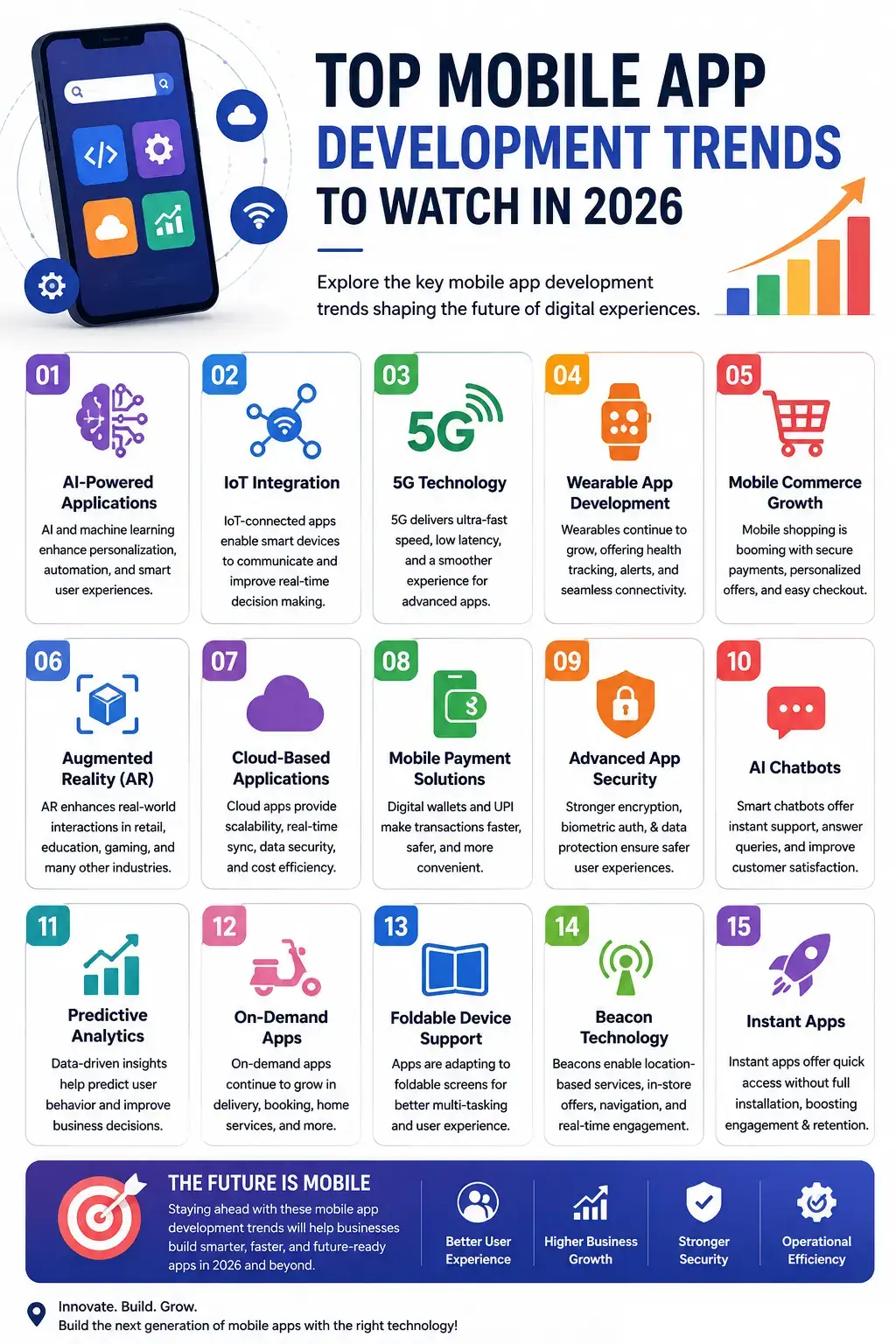
This guide explores the most important mobile app development trends in 2026, helping you understand which technologies are shaping the future and how they can benefit your business.
Why Are Mobile App Development Trends Important?
Technology changes rapidly, and mobile applications must evolve with it.
Following the latest development trends enables businesses to:
- Deliver better user experiences
- Improve customer engagement
- Increase app performance
- Enhance security
- Reduce operational costs
- Build scalable applications
- Stay ahead of competitors
Whether you’re launching a startup or upgrading an enterprise application, understanding current trends helps you make smarter development decisions.
1. Artificial Intelligence Is Transforming Mobile Apps
How is AI improving mobile applications?
Artificial Intelligence (AI) enables apps to learn from user behavior and deliver smarter, more personalized experiences.
Popular AI features include:
- Intelligent chatbots
- Personalized recommendations
- Voice assistants
- Image recognition
- Predictive search
- Automated customer support
- Content recommendations
AI not only improves user satisfaction but also helps businesses automate repetitive tasks and increase operational efficiency.
2. Internet of Things (IoT) Integration
Why is IoT important for mobile apps?
The Internet of Things (IoT) connects smartphones with smart devices, allowing users to monitor and control equipment remotely.
Common IoT applications include:
- Smart home automation
- Industrial monitoring
- Connected healthcare devices
- Vehicle tracking
- Smart agriculture
- Logistics management
As connected devices continue to grow, IoT-enabled mobile apps are becoming increasingly valuable across industries.
3. Faster Experiences with 5G Technology
What impact does 5G have on mobile app development?
The expansion of 5G networks enables developers to build applications with faster loading times and lower latency.
Benefits include:
- HD video streaming
- Real-time gaming
- Instant file sharing
- Faster cloud synchronization
- Improved video conferencing
- Better augmented reality experiences
Businesses can now offer richer mobile experiences without sacrificing performance.
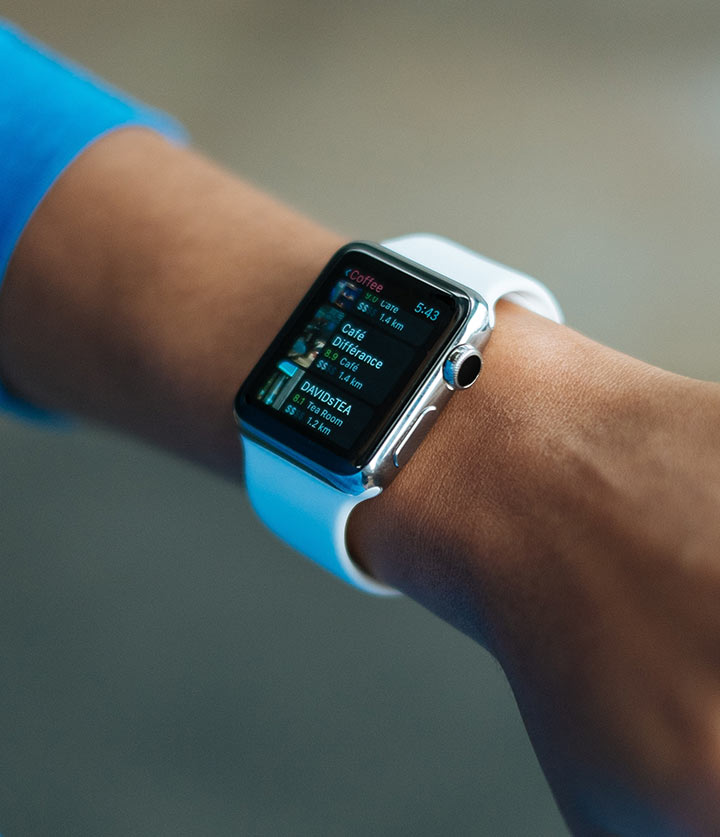
4. Wearable Device Applications
Smartwatches and fitness trackers continue to gain popularity.
Modern mobile applications now integrate seamlessly with wearable devices to provide:
- Health monitoring
- Activity tracking
- Heart rate analysis
- Sleep monitoring
- Contactless payments
- Instant notifications
Developers are focusing on synchronized experiences across smartphones and wearable technology.
5. Mobile Commerce Continues to Expand
Why are mobile shopping apps growing?
Consumers increasingly prefer shopping directly from their smartphones.
Modern eCommerce applications now include:
- One-click checkout
- Digital wallets
- AI product recommendations
- Live order tracking
- Personalized offers
- Voice search
- Secure payment gateways
Mobile commerce helps businesses improve customer convenience while increasing online sales.
6. Augmented Reality (AR) Enhances User Experience
Augmented Reality is no longer limited to gaming.
Businesses now use AR for:
- Virtual product demonstrations
- Furniture visualization
- Fashion try-ons
- Real estate tours
- Educational experiences
- Interior design previews
AR helps customers make informed purchasing decisions by interacting with products before buying.
7. Cloud-Based Mobile Applications
Cloud technology enables apps to store data securely while improving accessibility.
Advantages include:
- Automatic backups
- Multi-device synchronization
- Lower storage requirements
- Improved scalability
- Faster updates
- Better collaboration
Cloud-native applications are becoming the preferred choice for modern businesses.
8. Smarter Mobile Payments
Digital payments continue to dominate mobile transactions.
Today’s users expect applications to support:
- UPI payments
- Credit and debit cards
- Digital wallets
- QR code payments
- Subscription billing
- Contactless transactions
Secure payment integration builds trust and improves conversion rates.
9. Advanced Mobile App Security
Why is security a top priority?
As mobile applications process sensitive financial and personal information, cybersecurity has become essential.
Modern applications implement:
- Multi-factor authentication
- Biometric login
- End-to-end encryption
- Secure APIs
- Token-based authentication
- Fraud detection
- Data privacy compliance
Strong security measures protect users while enhancing business credibility.
10. AI Chatbots for Customer Support
Businesses increasingly rely on AI-powered chatbots to deliver instant customer service.
Chatbots help users:
- Ask questions
- Book appointments
- Track orders
- Receive recommendations
- Resolve common issues
- Access support 24/7
This improves customer satisfaction while reducing support costs.
11. Predictive Analytics
What is predictive analytics in mobile apps?
Predictive analytics uses historical user data to anticipate future behavior.
Examples include:
- Product recommendations
- Personalized content
- Dynamic pricing
- Purchase predictions
- Customer retention campaigns
Businesses use predictive insights to improve engagement and increase conversions.
12. On-Demand Service Applications
Consumers increasingly expect services to be available instantly.
Popular on-demand app categories include:
- Food delivery
- Grocery delivery
- Taxi booking
- Healthcare consultation
- Home maintenance
- Beauty services
- Education platforms
These applications continue to experience significant growth across urban and emerging markets.
13. Support for Foldable Smartphones
Foldable devices introduce new design opportunities for mobile developers.
Applications should provide:
- Responsive layouts
- Adaptive interfaces
- Multi-window functionality
- Optimized screen transitions
- Better multitasking experiences
Design flexibility is becoming an important aspect of mobile development.
14. Beacon Technology for Location-Based Experiences
Beacon technology enables businesses to deliver personalized experiences based on user location.
Common use cases include:
- Retail promotions
- Indoor navigation
- Museum guides
- Hospital navigation
- Event notifications
- Airport assistance
Location-aware applications improve customer engagement and personalization.
15. Android Instant Apps
Android Instant Apps allow users to experience app functionality without installing the full application.
Benefits include:
- Faster user acquisition
- Better app discovery
- Higher conversion rates
- Reduced storage usage
- Improved user experience
This technology helps businesses reduce friction during customer onboarding.
Frequently Asked Questions
Which mobile app trend is growing the fastest?
Artificial Intelligence, cloud computing, 5G integration, and IoT are among the fastest-growing technologies shaping mobile app development.
Why should businesses invest in modern mobile applications?
Modern apps improve customer engagement, streamline operations, increase sales, strengthen brand loyalty, and provide better digital experiences.
Is mobile app security becoming more important?
Yes. As mobile apps handle financial transactions and personal information, implementing advanced security measures has become essential.
Which industries benefit most from mobile applications?
Almost every industry benefits from mobile technology, including:
- Healthcare
- Education
- E-commerce
- Finance
- Travel
- Real Estate
- Manufacturing
- Logistics
- Retail
- Hospitality
Conclusion
The future of mobile app development is driven by innovation, intelligence, and user-centric design. Technologies such as Artificial Intelligence, IoT, 5G, cloud computing, augmented reality, wearable integration, and advanced cybersecurity are redefining how businesses build and deliver mobile experiences.
Organizations that embrace these trends can create applications that are faster, smarter, more secure, and better aligned with evolving customer expectations.
Whether you’re planning a new mobile application or enhancing an existing one, focusing on the technologies that provide the greatest value to your users will help your business remain competitive in an increasingly digital world.
abc8c6
August 4, 2026Dude, this site’s approach to slots feels more strategic than just random clicking. Need to check out the fund management side of things; maybe I should look at the abc8c6 download apk first. 🤔
747live
August 4, 2026Solid analysis! It’s interesting how much strategy goes into even seemingly simple bets. Thinking about building a ‘legacy’ like they mention at 747live slot really changes the mindset. Good read!